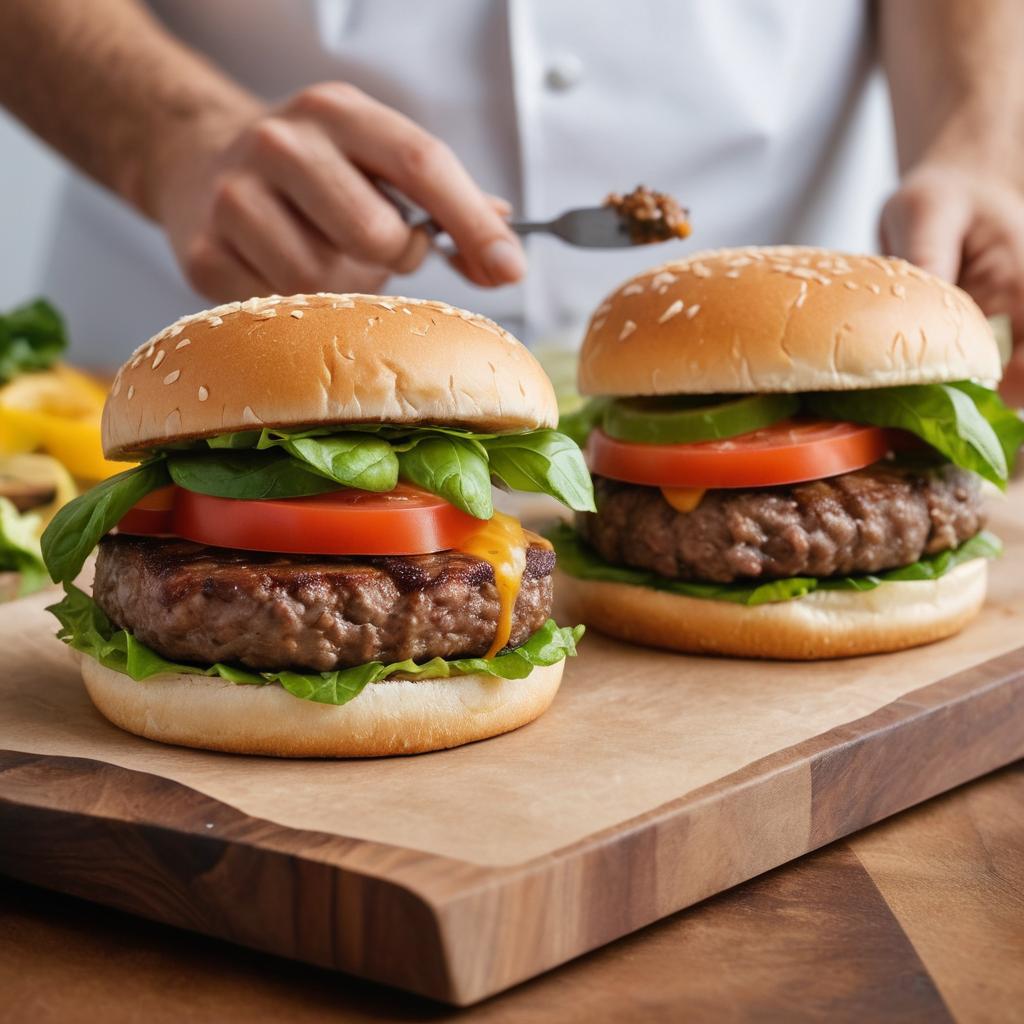
The Great Divide: Are Plant Burgers Better Than Beef?
As the world grapples with the challenges of climate change, food sustainability, and public health, the humble burger has become a battleground in the war over what’s best to eat. On one side, traditional beef burgers have long been a staple of American cuisine, with their rich flavors and satisfying textures. But on the other, plant-based burgers have emerged as a more sustainable and healthier alternative, tempting consumers with their promise of lower environmental impact and improved nutritional content.
But are plant burgers really better than beef? The answer is not a simple yes or no. As we’ll explore in this article, the truth lies somewhere in between, depending on how you look at it. From ultra-processing to taste and texture, environmental impact to nutritional content, every aspect of plant-based burgers deserves scrutiny. So, let’s take a closer look.
The Ultra-Processing Paradox
One of the most significant concerns surrounding plant-based meats is their ultra-processing. Most are made from a combination of pea protein, soy protein, and other ingredients that are designed to mimic the taste and texture of real meat. While this may sound like a healthy alternative, many experts argue that these products are not as natural or nutritious as they seem.
The problem lies in the fact that plant-based meats often contain additives such as oils, starches, thickeners, sodium, and preservatives. These ingredients can help extend shelf life and improve flavor, but they also contribute to a product that’s far from whole food. Limiting consumption of ultra-processed foods is generally recommended for health reasons, which raises an interesting question: are plant burgers really any better than the processed meats they’re trying to replace?
Taste and Texture: The Great Imitator
Plant-based meats are designed to taste like real meat, but can they truly replicate the experience? The answer lies in the ingredients used. Many plant-based burgers contain pea protein and soy protein, which provide a similar texture to beef. But when it comes to flavor, things get more complicated.
Some consumers may prefer the rich, savory flavors of traditional beef, while others may enjoy the more neutral taste of plant-based options. The truth is that both types of burgers have their strengths and weaknesses, and the best choice will depend on personal preference.
The Environmental Impact: A Lower Carbon Footprint
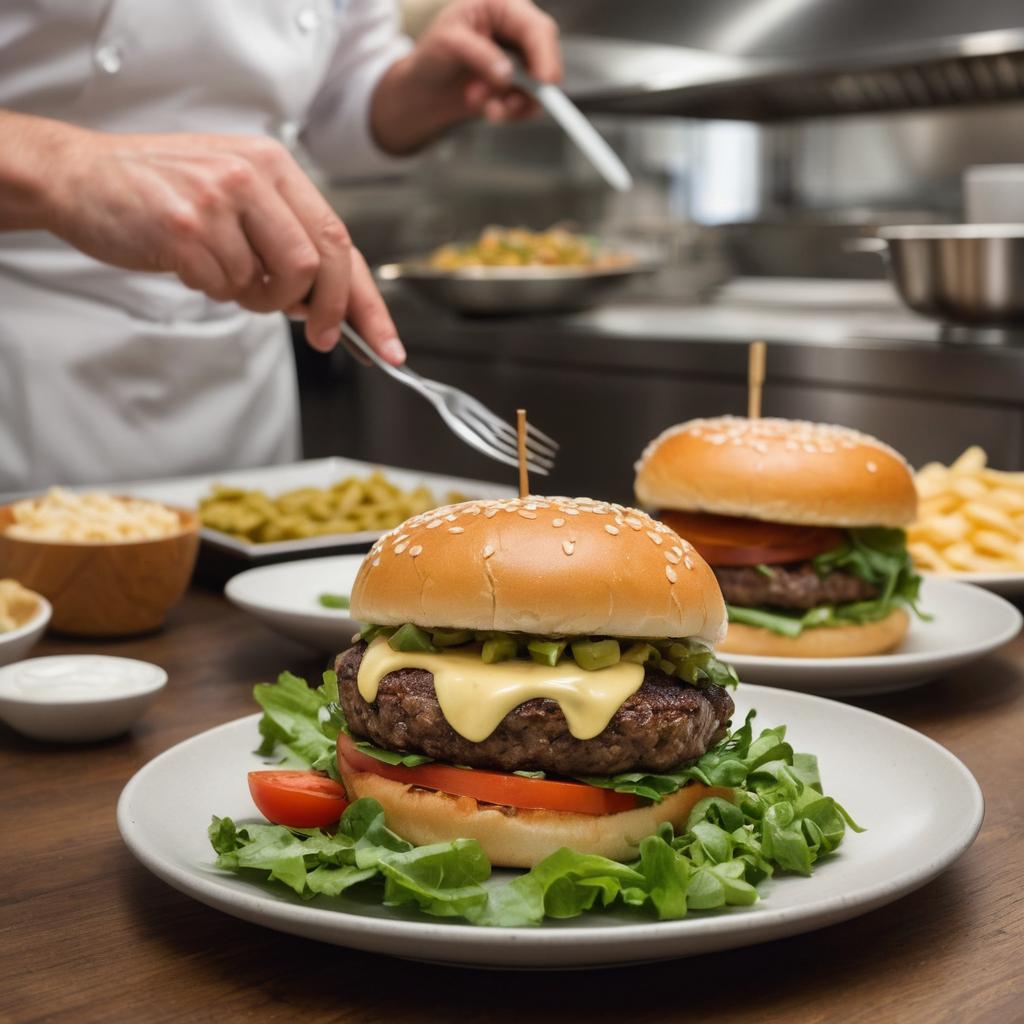
One area where plant-based meats clearly outshine traditional beef is in terms of environmental impact. Studies suggest that plant-based meat alternatives have a significantly lower carbon footprint than farmed fish, poultry, pork, shrimp, beef, and dairy.
This is largely due to the fact that plant-based production requires less land, water, and energy than animal agriculture. By choosing plant-based options, consumers can help reduce greenhouse gas emissions and support more sustainable food systems.
Nutritional Content: A Mixed Bag
When it comes to nutritional content, plant-based meats generally contain less saturated fat and more fiber compared to their real-meat counterparts. However, the nutritional content can vary widely depending on the brand and ingredients used.
Some plant-based burgers are high in sodium, while others may be low in protein. The most important thing to do when buying plant-based meats is to read the labels carefully and pay attention to ingredients, saturated fat content, sodium content, and protein levels.
Health Effects by Brand: A Mixed Record
There’s variation in health effects among different brands of plant-based meat alternatives. Some studies have found significant reductions in LDL cholesterol levels when eating these products, while others have shown minimal changes.
The key takeaway is that not all plant-based meats are created equal. When choosing a product, look for one that’s made from whole foods and contains fewer additives.
Making Your Own at Home: A DIY Solution
If you don’t like the taste of store-bought veggie burgers or plant-meat alternatives, consider making your own homemade versions using a combination of ground beef and plants such as black beans and lentils or mushrooms.
Not only is this option more cost-effective than buying commercial products, but it also allows for greater control over ingredients and nutritional content. Whether you’re looking to reduce your environmental impact or improve your health, making your own plant-based burgers at home can be a great way to start.
Adding Plants to Your Diet: A Step in the Right Direction
Whether your primary concern is health or environmental impact, adding any amount of plant foods to your diet is a step in the right direction. By incorporating more fruits and vegetables into your meals, you can help support a healthier body and a more sustainable food system.
In conclusion, while there are valid concerns surrounding plant-based meats, they’re not necessarily better than traditional beef burgers across the board. The key takeaway is that both types of burgers have their strengths and weaknesses, and the best choice will depend on personal preference and priorities.
As we move forward in an increasingly complex and interconnected world, one thing is clear: our food choices matter. By choosing more sustainable and healthier options, consumers can help create a brighter future for all.
Are you kidding me Jordan, it’s like you’re stuck in some sort of culinary existential crisis where the very idea of plant-based burgers is just a facade for the impending doom of our planet, and honestly, I’m starting to think that’s not entirely unfounded, considering the devastating impact of traditional agriculture on our environment.
I think this article paints a pretty rosy picture of plant-based burgers, but what about the actual taste? I mean, have you ever tried to cook one at home? They’re like little flavorless bricks. And don’t even get me started on the texture. It’s like eating a sponge. So, while I agree that plant-based options are better for the environment and all that jazz, can we please talk about how they actually taste? Maybe there’s some secret ingredient or cooking method out there that makes them edible, but until then, I’m sticking to my good old beef burgers.
I fully support the author’s well-researched article on the benefits and drawbacks of plant-based burgers compared to beef content. It’s interesting to see that despite their lower environmental impact and improved nutritional content, many plant-based burgers contain ultra-processing and additives that are detrimental to health. The article highlights the importance of making informed choices when it comes to food consumption and suggests that making your own plant-based burgers at home is a great way to control ingredients and nutritional content.
My heart beats for the simplicity of a traditional beef burger, but I’m torn by the environmental benefits of plant-based alternatives. As I watch the news unfold – from the ‘DisasterChef’ scandal to the Syrian warplanes hitting back – I wonder if our obsession with sustainable food is just a distraction from the real issues at hand. Do plant-based burgers really live up to their promise, or are they just a cleverly packaged lie?
Bryan’s naive enthusiasm for plant-based burgers ignores the fact that many of these products are highly processed and contain unhealthy additives, as pointed out by Adalyn. His suggestion to make your own homemade versions is a luxury most people can’t afford, unlike Max who seems oblivious to the socioeconomic realities of food choices. Meanwhile, Milo’s concerns about the environmental impact of traditional farming methods are valid, but his dismissal of plant-based burgers as a solution is a cop-out, considering the urgent need for sustainable food options.